
How My Flooded Bathroom Nearly Cost Me My Job
A true Nigerian home story and what it taught me about bathroom fittings and drainage
That morning started like any other workday.
Alarm rang.
I checked the time.
Still manageable.
I rushed into the bathroom, already planning my day in my head — meetings, deadlines, traffic. Then as i say make i drop my leg for ground, standup go pees i hear tum na once my eye open, waiting dey happen for here…
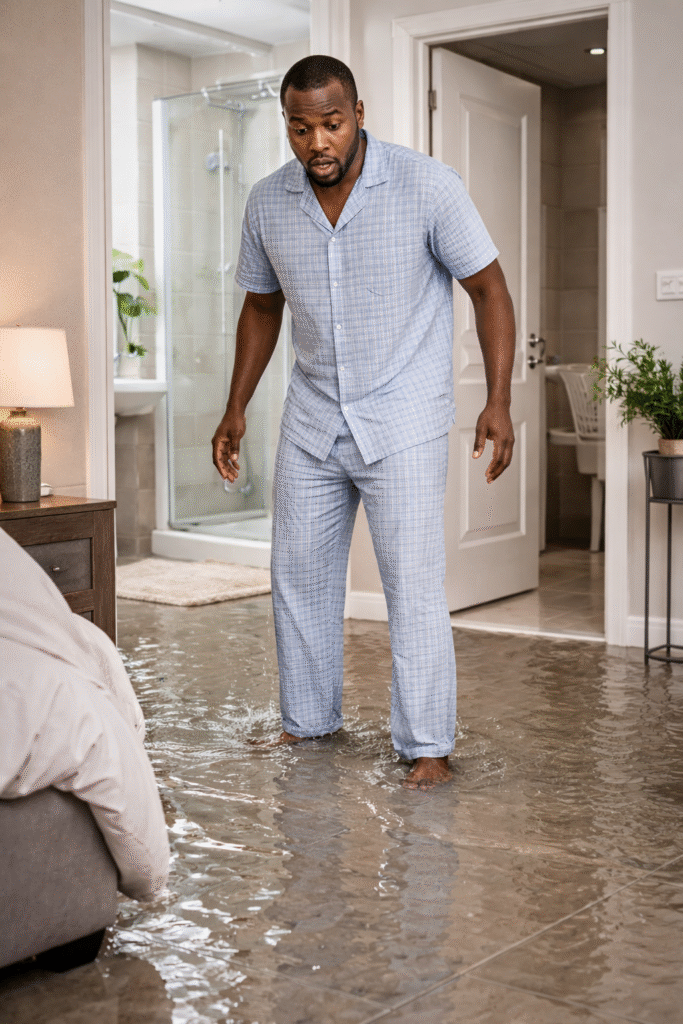
Water. Everywhere.
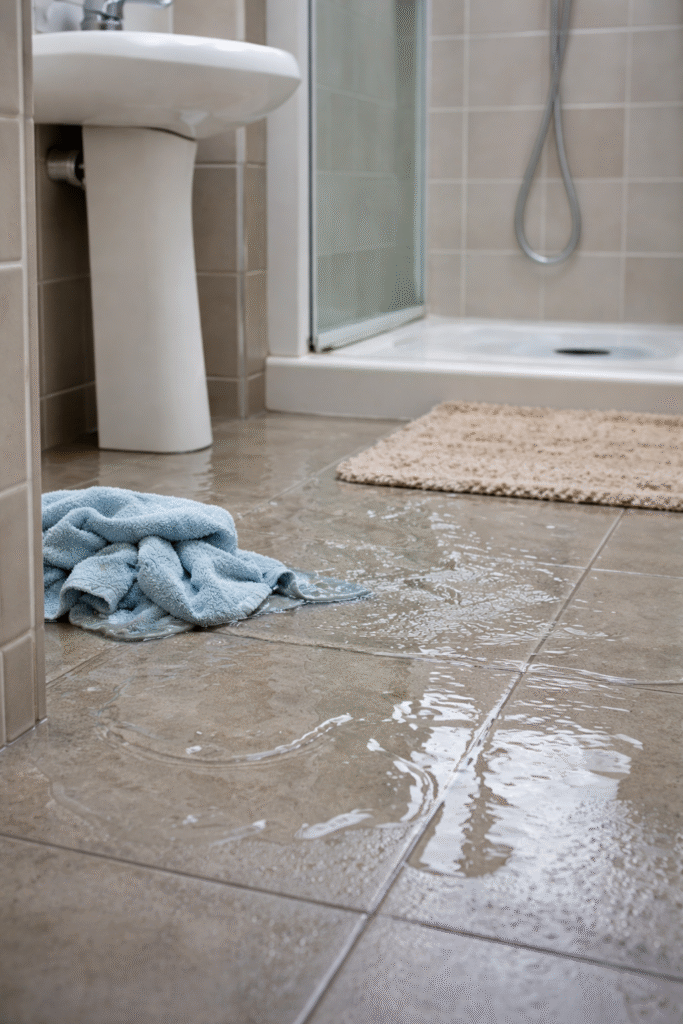
The bathroom floor was soaked. Water had spilled into the bedroom. Towels were floating like they were part of the décor. For a few seconds, I just stood there staring, confused and annoyed.
This shouldn’t be happening.
The morning everything went wrong
What was meant to be a quick shower turned into panic cleaning.
I grabbed towels.
Mopped.
Checked the tap.
Checked the WC.
Water kept coming.
At some point, fear replaced annoyance. The floor was slippery. The socket near the wall suddenly felt too close for comfort. And the clock? The clock was not on my side.
That was the moment I realised — this wasn’t just a bathroom issue anymore.
How one small leak became a flood
Looking back, the signs were there.
Weeks earlier, I noticed a small drip. Nothing dramatic. Just one of those things you tell yourself you’ll fix later.
“It’s small.”
“I’ll manage it.”
“It’s not even my house.”
The fitting wasn’t premium. It was one of those “it looks fine” options. No noise. No warning. Just quiet weakness.
Overnight, water pressure did what it always does — it exposed the weakest part.
And by morning, my bathroom had turned into a problem I didn’t plan for.
My heart kept skipping for the first time NEPA refused to take light i was so scared of being electrocuted but the water wont clean itself. so i got right to cleaning my entire apartment.
By the time I finished cleaning and changed clothes, I was already late.
Calls started coming in.
Message from HR followed.
Fear first grip me. so na so i take lose my job…. haa
I missed a scheduled meeting. A client waited longer than planned. Explanations had to be given and none of them sounded good.
In that moment, it hit me hard:
A bathroom problem almost affected my job.
Not because I was careless at work but because of a poor decision, cheap sanitary ware. God Abeg
My heart kept skipping for the first time NEPA refused to take light i was so scared of being electrocuted but the water wont clean itself. so i got right to cleaning my entire apartment.
By the time I finished cleaning and changed clothes, I was already late.
Calls started coming in.
Message from HR followed.
Fear first grip me. so na so i take lose my job…. haa
I missed a scheduled meeting. A client waited longer than planned. Explanations had to be given and none of them sounded good.
In that moment, it hit me hard:
A bathroom problem almost affected my job.
Not because I was careless at work but because of a poor decision, cheap sanitary ware. God Abeg
The realisation Nigerians know too well
This is where many Nigerians will relate.
We tell ourselves:
- “Na small thing.”
- “I go manage am.”
- “The house no be my own.”
- “Why spend too much?”
But bathroom problems don’t respect excuses.
Water doesn’t wait.
Leaks don’t care about your schedule.
And emergencies don’t ask if it’s convenient.
That mindset — the one that pushes us toward cheap fittings — is exactly what makes these situations worse.
Bathroom flooding and fitting failures are common in Nigeria because of a few realities:
- Inconsistent water pressure
- Low-quality internal components in cheap fittings
- Poor drainage planning
- Installations done without long-term thinking
Many fittings look good on day one, but daily use reveals what they’re really made of.
And when they fail, the cost is never just the fitting.
Lessons I learned the hard way
Here’s what that flooded morning taught me:
- A “small leak” is never small
- Cheap fittings don’t fail immediately — they fail consistently
- Drainage is as important as design
- Peace of mind is part of what you pay for
Saving money upfront is meaningless if it creates stress later.
What I would do differently today
If I had to do it again, I would:
- Inspect fittings properly before buying
- Ask about material quality and durability
- Choose fittings that can handle Nigerian water conditions
- Buy from a trusted showroom, not assumptions
Because the real cost of cheap fittings isn’t money — it’s disruption.
Why this story matters
Whether you live in a rented apartment or your own house, bathroom problems don’t wait for “later.”
They show up:
- early in the morning
- during busy weeks
- when you’re already stretched thin
And when they do, they affect everything — your comfort, your mood, and sometimes even your work.
Final Thoughts
That flooded bathroom taught me a lesson I won’t forget.
Cheap fittings may look fine at first, but quality fittings protect your time, your space, and your peace of mind.
If you’re upgrading your bathroom this year, Appina Sanitary Wares offers durable, stylish sanitary solutions built for real Nigerian living.
📍 Visit our showroom
📞 Call or WhatsApp us for enquiries

2 Comments
Promise
This just made me remember the last time I asked a plumber to my home to fix my clogged toiletand how disastrous the whole situation was.
Honestly it taught me to always have it at the back of my mind to invest in quality Sanitary products.
Cause everywhere fit blur in a second.
Kelechi
This experience left me devastated for months! Thank you for this piece 🙏